
Session designs, debriefing scripts, and a summary of relevant research
Free to print, free to hand to a colleague.
What a political simulation is
A political simulation is a structured exercise in which students take assigned roles inside a real decision-making body, argue positions that are not necessarily their own, and reach an outcome that is genuinely allowed to fail.
Three things separate it from a debate or a discussion. The body has a decision in front of it, and the students make that decision rather than describing it. Each student speaks for somebody other than themselves, with a brief that constrains what they can agree to. And the session ends in a vote, a verdict, a ruling or a roll call that the room can watch succeed or fail.
Teachers use them two ways. Class-based simulations run inside a course, in an ordinary room, with the students already enrolled. Competitive simulations send a team to a conference run by somebody else, against other schools. The planning is different; the thing happening in the room is the same.
The formats
Each of these exists as a competitive circuit and as something you can run in one class period. The structural element named with each one is the part that does the teaching, and it survives a change of topic. Follow any heading below, or start at The Formats, which sets out the room, the shortest version still worth running, and where the circuit sits.
Model United Nations
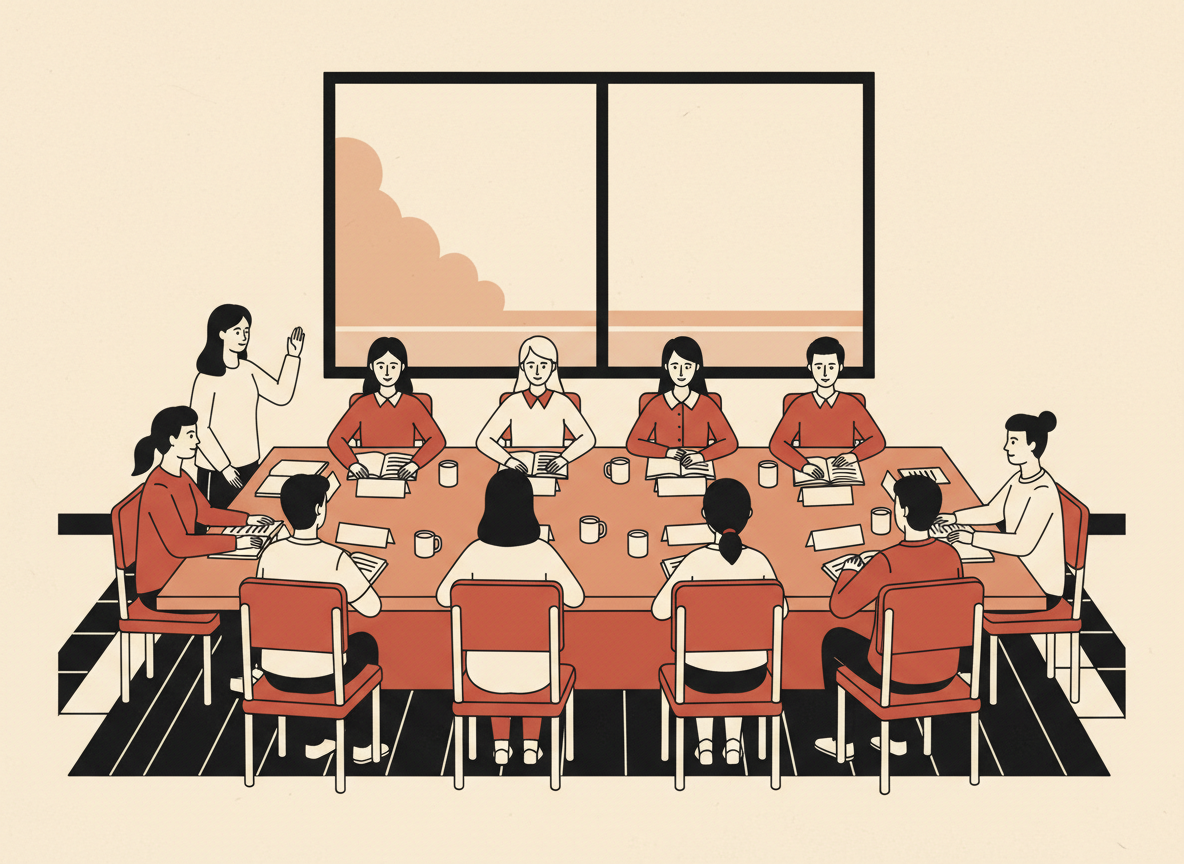
Member states in committee, working toward a resolution. The element that does the teaching is the drafting obligation: a delegate who gives a fine speech and is not on a working paper has accomplished nothing.
Model European Union
Ministers and heads of government negotiating across several files at once. One government has to hold one position through all of them, so a finance minister cannot take a line his own environment minister will have to pay for.

Model Arab League
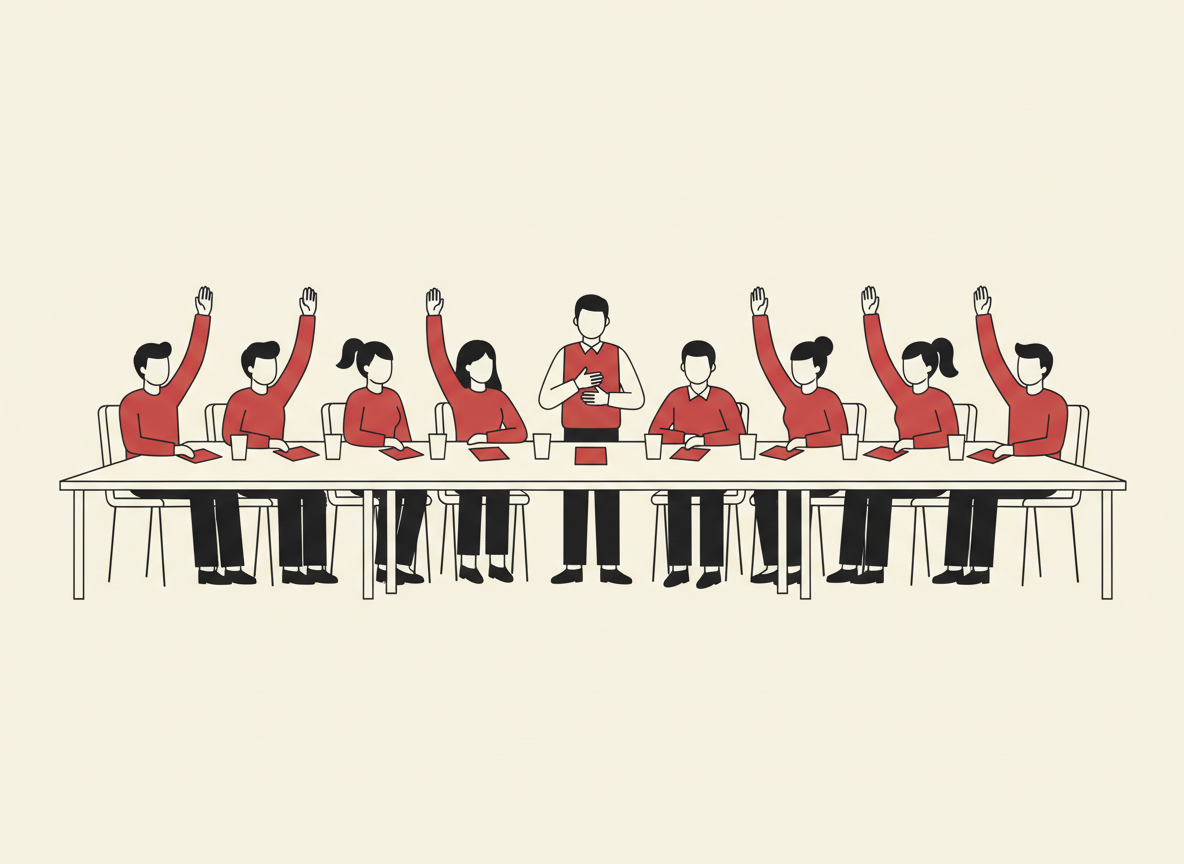
The Council of the League, under a rule that makes it genuinely different: a majority decision binds only the states that vote for it. That single rule turns the vote from a formality into the most interesting moment of the day.
Model Congress
A committee marking up a real bill. The vote on the rule comes first, and it is the best twelve minutes in the design, because students discover that the fight was already had before anybody debated the substance.
Model Town Assembly
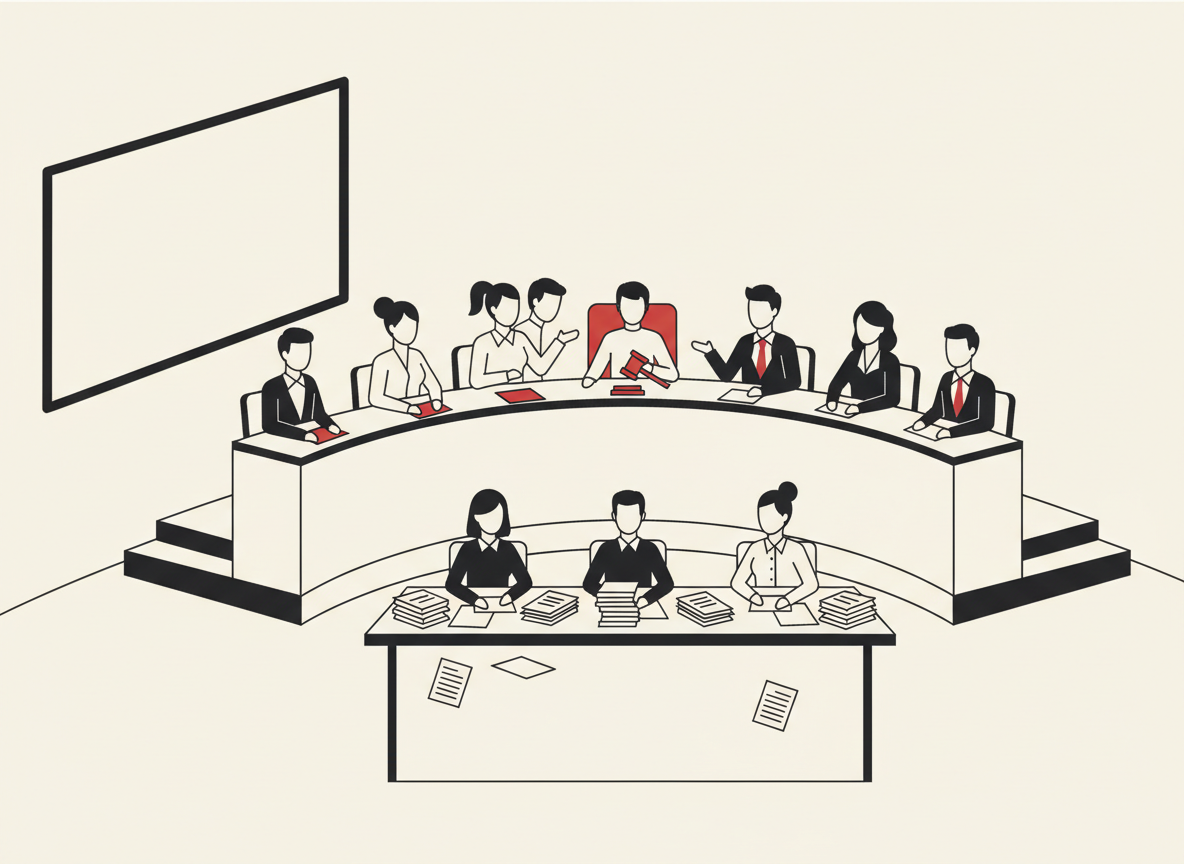
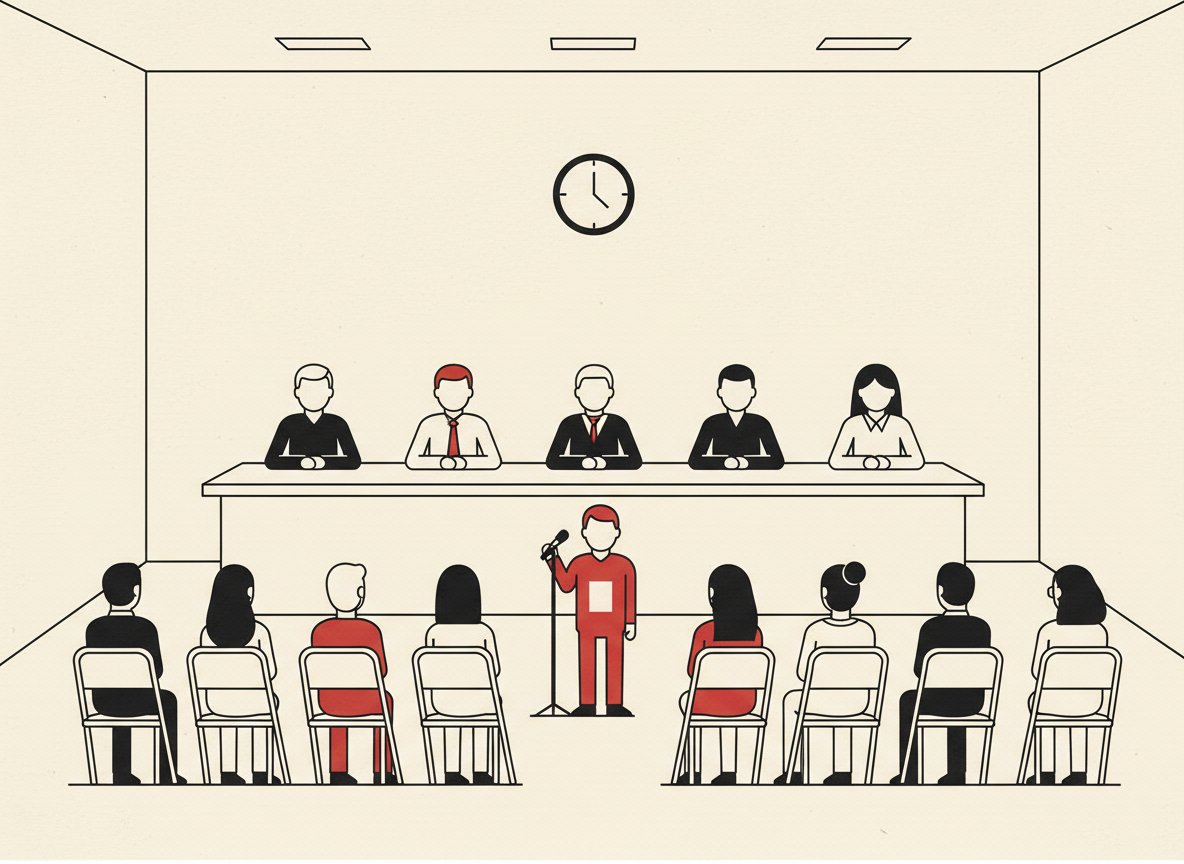
A planning board hearing one real application against the criteria in an ordinance. It needs no background knowledge, it works at twelve students or forty, and it can be built from your own town out of public records. The one to try first.
Mock Trial
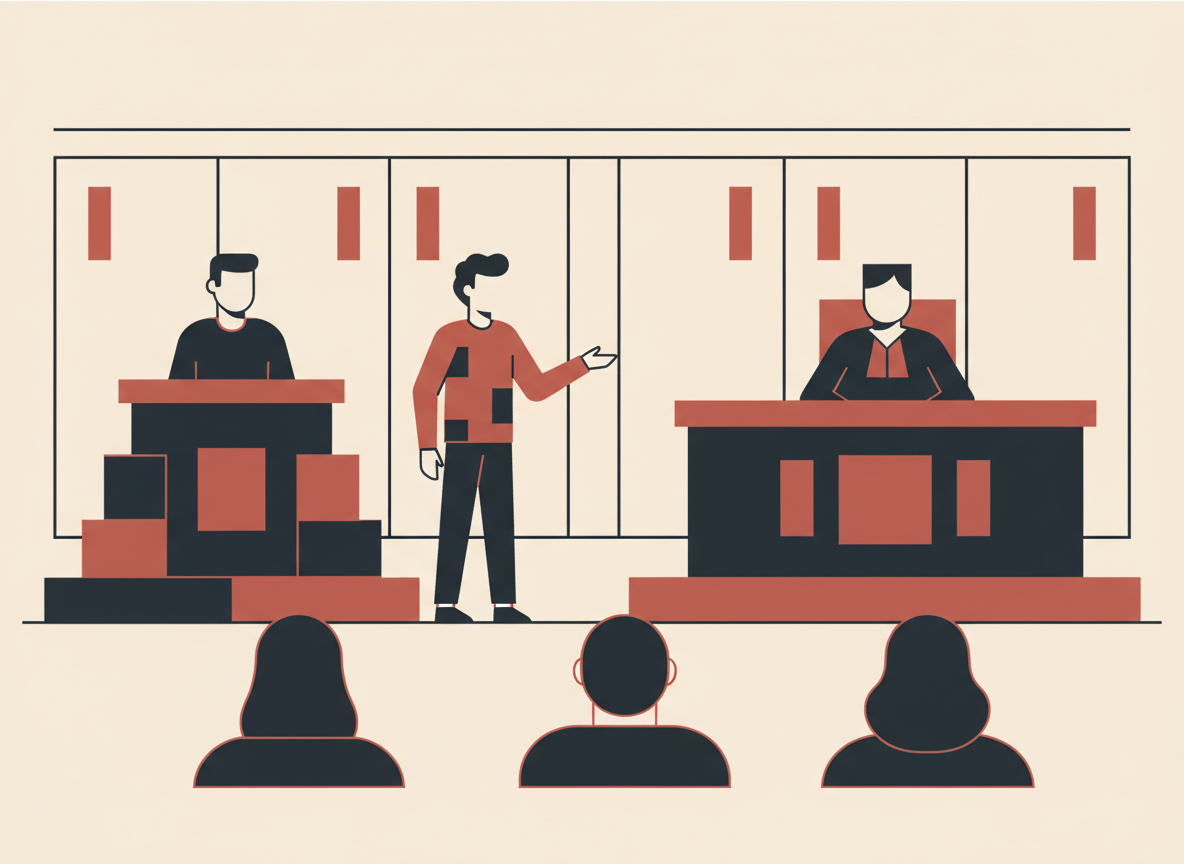
A trial on a stipulated case file. What students think wins a trial is argument; what actually governs it is what the finder of fact is permitted to hear, which is why a hard objection budget teaches more than a whole trial does.
Moot Court
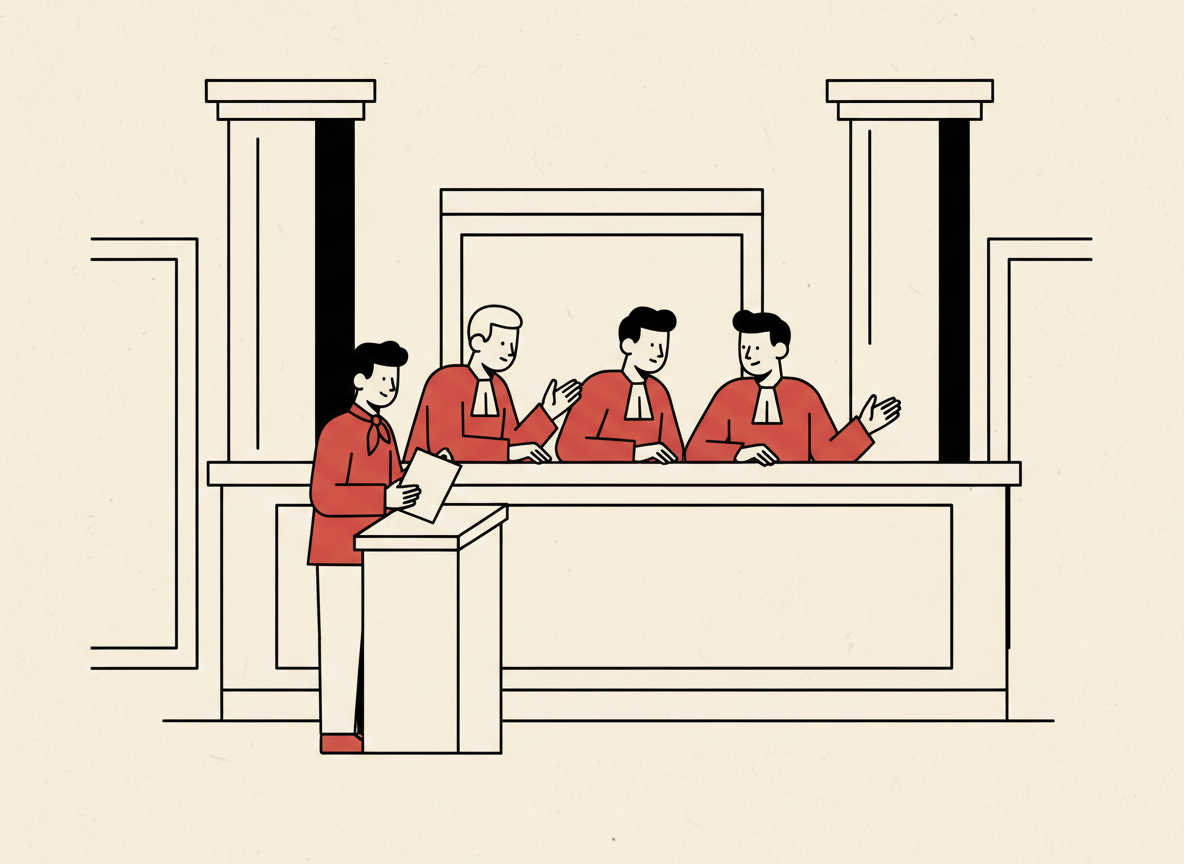
Appellate argument on a certified question, where the facts are closed and the argument is about the law and the standard of review. A genuinely alien discipline for students, and the entire reason to run it rather than a trial.
Reacting to the Past
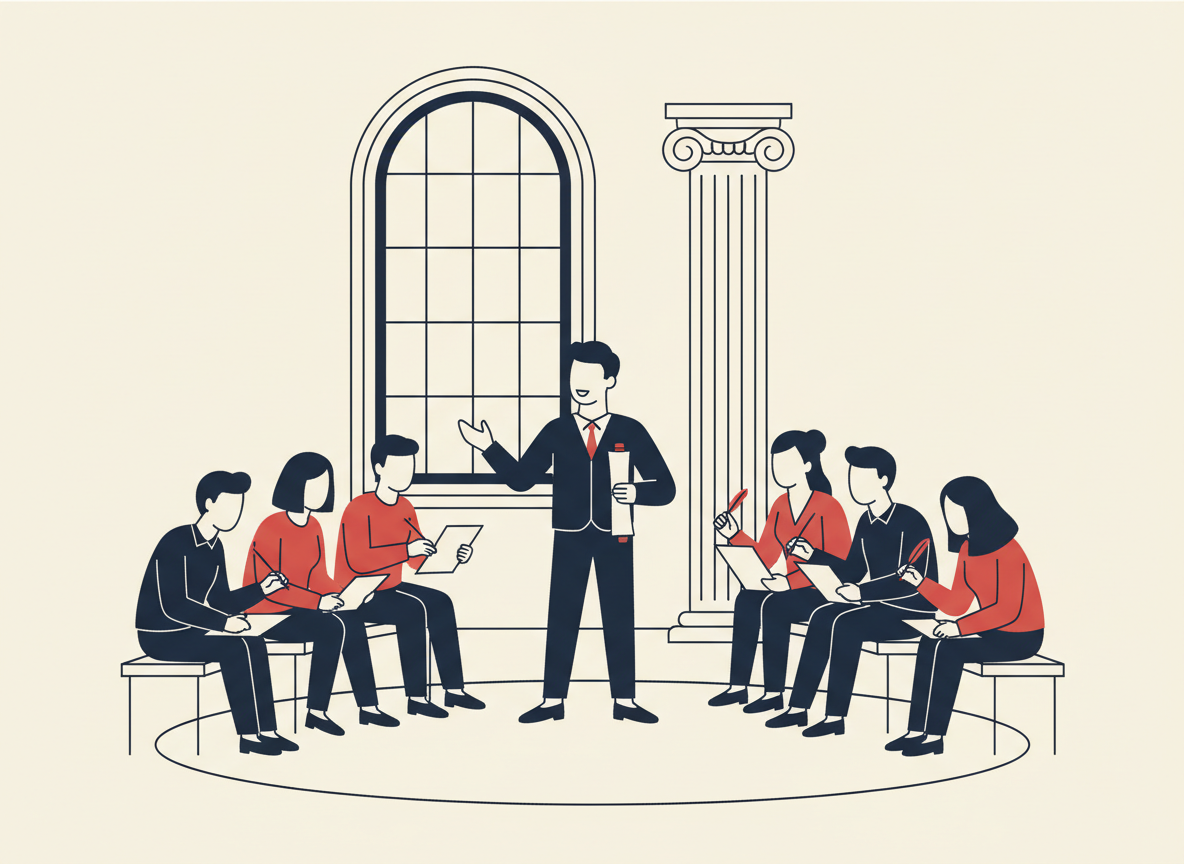
Students play named historical figures at a real turning point, each carrying private objectives on a role sheet, and they run the sessions rather than you. The element that does the teaching is the faction: committed blocs plus a few undecided students whose votes both sides have to win. A published curriculum from the Reacting Consortium rather than a competitive circuit, so there is nothing to travel to. Published games run about five to fifteen class sessions; a microgame fits one.
Where to start
If you have never run one, start with the Model Town Assembly. It needs no background knowledge, it works at twelve students or forty, and you can build it from your own town out of public records. Then Class-Based Simulations for the eleven steps in the order you do them. If you already run one, go to The Debrief. The evidence points harder at the debrief than at any other part of the exercise, and it is the part most often cut for time.
If you are deciding which kind of simulation to run, The Formats takes all eight above further and says what the shortest worthwhile version of each one is. Reacting to the Past is the one that is not a body you design and run but a published curriculum you administer, so it has a page of its own. If you have never run one at all, Class-Based Simulations is the eleven steps in the order you do them, with seven session designs at one, two and three days. Preparing Students is what to do in the week before. The Debrief is the scripts for the conversation afterward, which is where the evidence says the learning actually holds, and Grading One sets out what can be marked fairly once it is over. For AP Teachers maps the formats onto the two AP course frameworks unit by unit and says plainly where they do not fit. If your students want to compete against other schools, Competitive Simulations lists every program by activity and by level, and Forming a Team is the seven steps for starting one, with the high school and college paths set out side by side. If you need the case rather than the method, Why Run One is what people claim and what actually supports each claim, and What the Research Says is the full collection behind it. About says who writes this and why.
Nick Clark, Professor of Political Science at Susquehanna University (Selinsgrove, Pennsylvania), created and manages this site. He has coached students in European Union simulations for twenty years and uses simulations in his own courses. More on About.

